
A voltage protection relay guards your electrical system every second of the day. It watches the voltage and trips the breaker when something goes wrong. But a relay that has never been tested is a relay you cannot trust.
That is why testing the Schneider Vamp 57 Voltage Protection Relay matters. In this guide, you will learn how to test it step by step, using simple words and clear actions. Whether you are a maintenance engineer, a commissioning technician, or a plant manager, this guide will help you do the job right.
What Is the Schneider VAMP 57 Voltage Protection Relay?
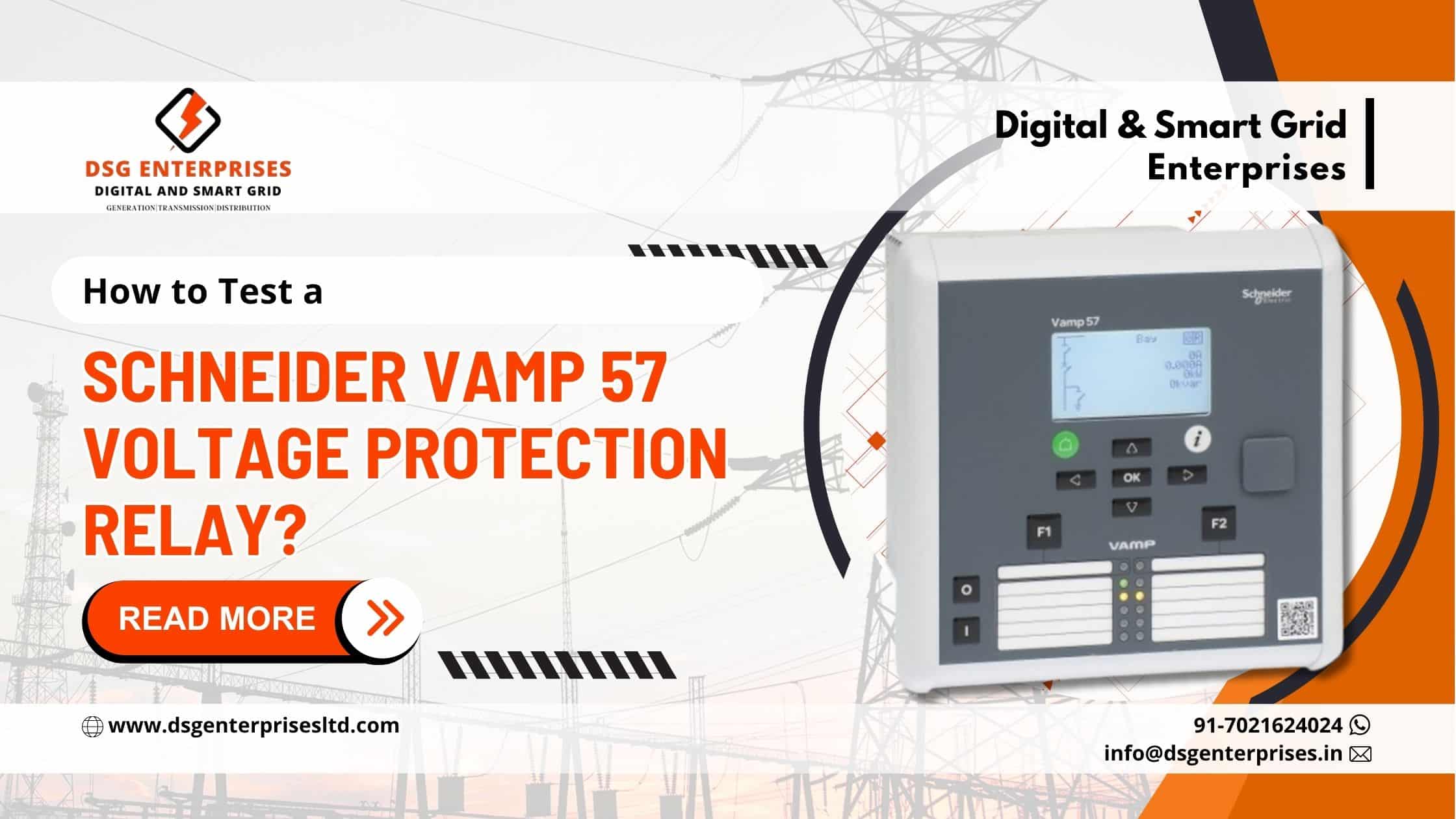
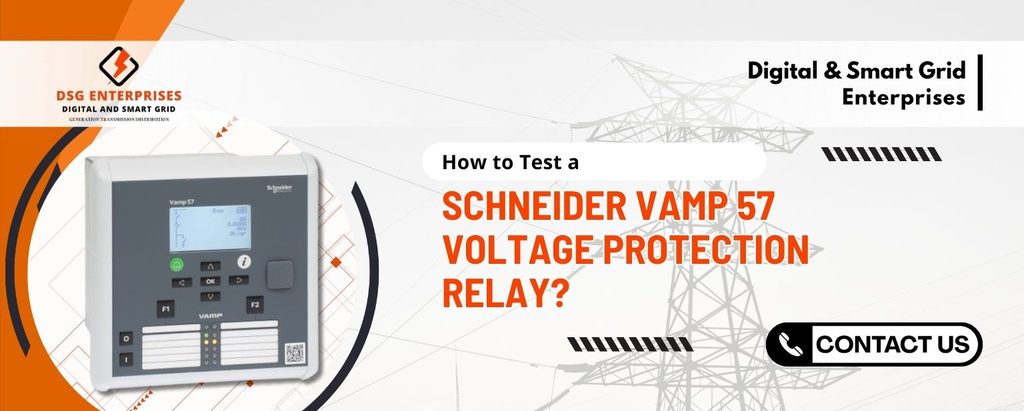
The Schneider VAMP 57 is a digital protection relay from the VAMP range. It monitors voltage in medium-voltage and industrial power systems. When the voltage moves outside a safe range, the relay sends a trip signal to the circuit breaker. That action protects your motors, transformers, cables, and other equipment.
A relay like this typically offers these protection functions:
- Undervoltage protection: Detects low voltage that can stall motors and overheat equipment.
- Overvoltage protection: Detects high voltage that can damage insulation.
- Residual (earth fault) voltage protection: Detects ground faults in the system.
- Frequency protection: Detects frequency drift that can harm generators and loads.
- Event and fault recording: Stores trip data so you can study what happened.
Please note that exact functions can vary by version and configuration. Always check the manual for your specific model before you start.
Why Should You Test a Voltage Protection Relay?
Digital relays are reliable, but they are not perfect. Components age, settings get changed by mistake, and wiring comes loose. Regular testing helps you catch these problems early.
- Safety: A working relay protects people from electrical hazards.
- Equipment life: Correct tripping saves expensive motors and transformers.
- Compliance: Many standards and insurers require periodic relay testing.
- Less downtime: Finding a fault during testing costs far less than a failure during production.
What You Need Before You Start
Gather your tools first. This saves time and keeps the job safe.
- Relay test set: A three-phase secondary injection kit that can produce adjustable voltage and frequency.
- VAMPSET software: Schneider’s setting tool, along with the correct cable (USB or RS-232, depending on your relay).
- Digital multimeter: For checking supply and wiring.
- Approved settings sheet: The protection settings from your protection study.
- Wiring diagrams: Use the latest drawings for your panel.
- Personal protective equipment (PPE): Gloves, safety glasses, and rated clothing.
- Test report form: A sheet to record every result.
Safety First: Prepare the Panel
Safety comes before any test. Follow your site’s lock-out and tag-out rules every time.
- Isolate the circuit: Open the breaker and remove the voltage transformer (VT) supply to the relay.
- Prove dead: Use a tested meter to confirm no voltage is present.
- Disable the trip circuit: Isolate the trip output from the breaker, or put the breaker in the test position. Otherwise, a test trip may open a live breaker.
- Short the CT circuits if needed: If the relay also takes current inputs, follow your site rules for safe handling.
- Get a permit: Complete the work permit and tell the control room.
Common Mistakes to Avoid
- Forgetting to isolate the trip circuit: This can open a live breaker by accident.
- Testing with the wrong settings: Always confirm the settings before you inject voltage.
- Injecting too fast: A fast ramp can hide the true pickup value.
- Skipping the report: Without records, you cannot prove the relay passed.
- Leaving test settings in the relay: Always reload the approved settings at the end.
How Often Should You Test the Relay?
Most sites test protection relays every one to three years. However, your schedule depends on your company policy, local rules, and how critical the system is. In addition, test the relay after any setting change, repair, or major fault.
Buying a Genuine Relay: Choose a Trusted Supplier
Testing is only as good as the device you test. A counterfeit or poorly stored relay can fail even after it passes a bench check. For this reason, buy from a reliable Schneider Vamp 57 Protection Relay Supplier. A good supplier should offer:
- Genuine products: Original Schneider relays with proper packaging and documents.
- Technical support: Help with selection, settings, and testing questions.
- Clear warranty: Written terms you can rely on.
- Fast delivery: Stock that keeps your project on schedule.
Before you order, ask for the exact model code, the datasheet, and the warranty details. This small step protects your budget and your plant.
Conclusion
A well-tested protection relay gives you confidence that your system will react when trouble strikes. By following these steps, you can test the Schneider Vamp 57 Voltage Protection Relay safely and correctly. Plan your inspection, use the right tools, record every result, and always follow your site’s safety rules.
We, Digital and Smart Grid Enterprises are the leading Schneider vamp protection relay Suppliers, traders, Distributor, exporters in India. Schneider Electric offers a wide selection of protection relays. Vamp 50, VAMP 57 Series, Vamp 200 Series, Vamp 300 Series, VAMP Arc Protection. Schneider VAMP is an intelligent protection relays for low and medium-voltage power systems. For pricing or inquiries, feel free to contact us at +91 7021624024 or email info@dsgenterprises.in. Our experienced technical team is here to guide you at every stage, from choosing the right product to ensuring reliable after-sales support. Click here to explore our complete range of products and learn more


