A single generator fault can stall an entire plant in seconds. Repair bills and lost output can then last for months.
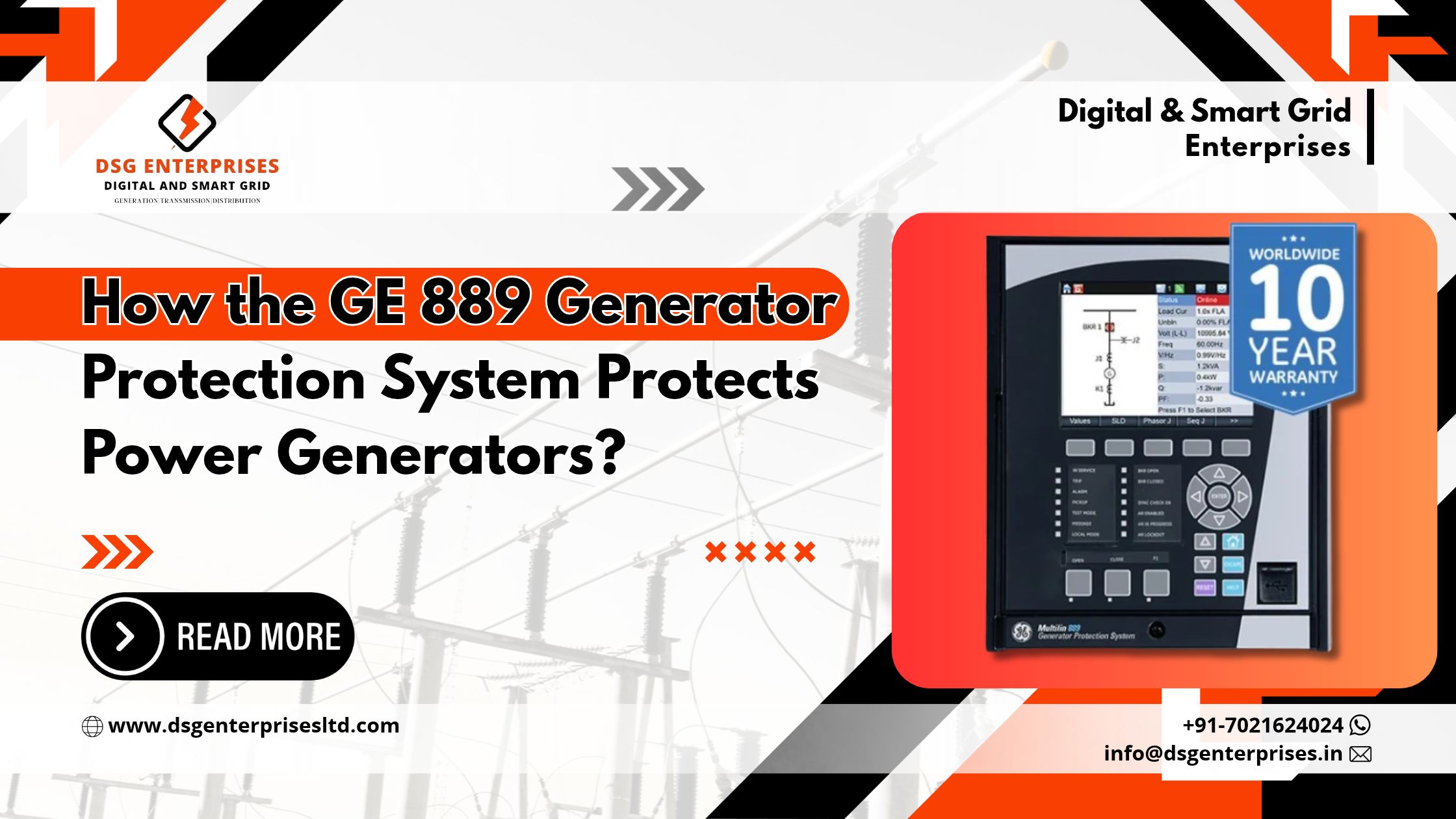
The Alstom/GE 889 Protection Relay protects a generator by measuring its currents and voltages continuously. It identifies winding faults, ground faults, and loss of excitation. Its differential element can trip the breaker in under one cycle. As a result, the machine avoids serious damage and returns to service sooner.
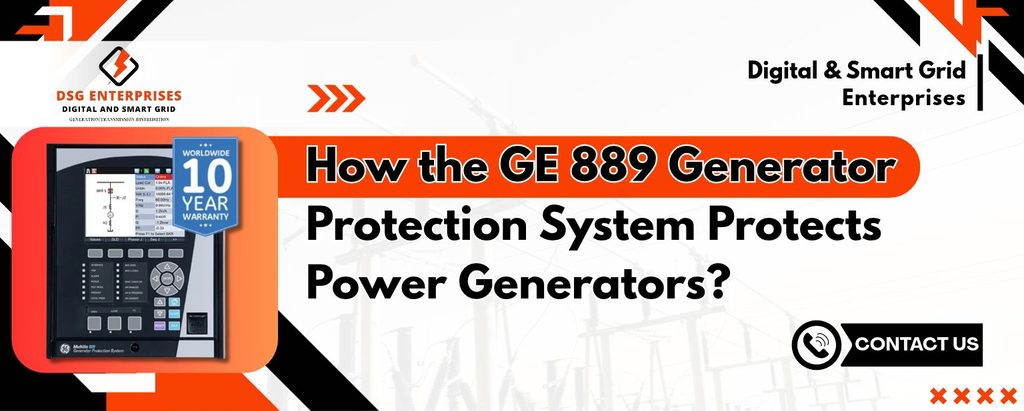
The Alstom/GE 889 Generator Protection System gives power plants a fast, dependable guard for their most valuable machine. It is part of the Multilin 8 Series family. Engineers use it for protection, control, and monitoring of generators and in-zone transformers. Buyers who compare an 889 Protection System Supplier or 889 Protection System Price will also find useful guidance below.
What Is the Alstom/GE 889 Protection Relay?
The Multilin 889 is a numerical relay built for generators and in-zone transformers. A numerical relay is a microprocessor-based protection device and is essential because it trips faster than older relays. It serves both industrial plants and utility stations. Furthermore, it combines protection, control, monitoring, and management in one unit.
How did plants protect generators before? They used separate relays for generator, transformer, and monitoring duties, which increased wiring and testing effort. The 889 consolidates these duties, so engineers manage one platform instead of many. Furthermore, a single device means one setting file, one test routine, and one spare part.
Here are the main points engineers value:
- It protects the generator and the in-zone transformer; one device covers both.
- It offers extensively customizable programmable logic; engineers adapt it to site needs.
- It supports flexible configuration; plants can match settings to each generator.
- It includes dedicated monitoring and control functions; operators see mission-critical data in one place.
- It comes with retrofit kits; teams can upgrade from older SR 489 relays with less rework.
- It supports IEC 61850 communication; engineers can connect it easily to modern substation networks.
Why Do Power Generators Need Dedicated Protection?
Generators face electrical, thermal, and mechanical stress every day, and a small fault can grow quickly. Moreover, a generator costs far more than most plant equipment. Why does every machine need tuned protection? Each generator faces its own risks.
The Alstom/GE 889 Protection Relay watches for these common threats:
- Stator winding faults: short circuits between phases or turns can burn the core.
- Ground faults: insulation breakdown pushes current toward earth.
- Reactive power is taken from the system, and the rotor is heated up.
- Reverse power: The generator begins to motor upon failure of the prime mover.
- Unbalanced loads: negative-sequence currents overheat the rotor surface.
- Abnormal voltage and frequency: these conditions stress the machine and its transformer.
Rotor heating deserves special attention. Unbalanced loads and loss of excitation raise rotor temperature quickly. Rotor insulation then degrades, and repairs become costly.
Consider a stator winding short circuit. Fault current can melt copper and damage the iron core within moments. Repairing that damage can take weeks, so plants face long outages and lost revenue.
Backup protection matters as well. If one element fails, another element must still isolate the fault. Meanwhile, early detection limits repair costs and downtime. Simply put, each fault type needs its own protective element, and the 889 brings them together.
How Does the 889 Generator Protection System of Alstom/GE Function?
The relay evaluates signals and trips in a simple cycle:
- The instrument transformers feed current and voltage signals to the relay.
- The relay digitizes these incoming samples.
- Protection algorithms compare measurements against configured thresholds.
- Crossing a limit triggers an alarm or trip signal.
- The event details are logged for analysis.
Alarms warn operators of developing conditions, while trips immediately isolate the generator to prevent damage.
Differential protection monitors current entering and leaving zones for both the generator and in-zone transformer, with an overall differential (87O) scheme as backup.
Configured pickup levels and time delays ensure rapid tripping on major faults while preventing nuisance trips during minor transients.
Which Features Make the 889 Relay Stand Out?
The Alstom/GE 889 Protection Relay packs advanced protection, monitoring, and communication tools into one chassis. Each group of features solves a different operating problem.
Advanced Differential Protection
Differential protection forms the first line of defense for stator windings. Therefore, speed and sensitivity matter most here. Quick isolation also protects the connected power system from voltage dips.
- Sub-cycle differential protection; faster fault clearing reduces generator damage.
- Advanced differential protection for both the generator and the in-zone transformer.
- Overall differential (87O); it adds a second layer of backup protection.
- Fast operation; less fault energy reaches the machine.
Monitoring and Maintenance
Dedicated monitoring and control functions give operators mission-critical data. As a result, maintenance teams act before small problems grow. Furthermore, accurate event records speed up root-cause analysis after every trip.
Maintenance teams therefore plan outages around real data. They avoid both unnecessary inspections and unexpected failures.
- Draw-out design; technicians test the relay without long shutdowns.
- Optional Wi-Fi; engineers configure settings and retrieve diagnostics safely.
- Event records; engineers analyze each trip and refine settings.
Communications and Cyber Security
The Alstom/GE 889 Generator Protection System supports IEC 61850 Edition 2 for simple device integration. Dual ports with PRP (IEC 62439) support redundant network designs. Meanwhile, AAA, RADIUS, RBAC, and Syslog tools help meet NERC CIP requirements. Together, these tools help engineers integrate the relay into SCADA systems.
A process bus, a link from field devices to relays, is essential because it replaces copper wiring. GE’s HardFiber solution applies this idea and lowers installation and maintenance costs. Consequently, plants spend less on cabling and commissioning. Overall, these features protect the generator, simplify upkeep, and secure the network.
Applications and Buying Considerations
Plants of many sizes rely on numerical generator protection. However, buyers should compare options carefully before they decide. When should buyers build a checklist? Before they compare any quote.
Where Do Plants Use the 889 Relay?
Different plants use the relay in different ways:
- Utility generating stations; the relay protects large units and in-zone transformers.
- Industrial captive power plants; these units keep factories running during grid outages.
- Renewable interconnections; the relay supports safe connection to the grid.
- Upgrade projects; retrofit kits simplify moves from older SR 489 relays.
The Alstom/GE 889 Protection Relay suits all these settings because of its flexible configuration. Moreover, its monitoring functions help operators track generator condition over the plant’s life.
What Affects 889 Protection System Price?
The 889 Protection System Price depends on several factors:
- Selected options; communication and Wi-Fi choices can change the quote.
- Order quantity; larger orders can change the unit rate.
- Lead time and stock availability.
- Testing, commissioning, and training services.
Moreover, genuine hardware, warranty terms, and clear documentation influence long-term value. Therefore, buyers should compare complete offers rather than headline figures alone.
How to Pick an 889 Protection System Supplier?
As a supplier of GE and Alstom protection relays in India, DSG Enterprises Ltd hears the same questions often. A trusted 889 Protection System Supplier should offer genuine hardware and clear documentation. Furthermore, the supplier should provide technical support, commissioning help, and timely delivery. Moreover, local support shortens response time during outages.
Buyers can use this simple checklist:
- Genuine GE or Alstom hardware with traceable documentation.
- Experience with generator protection settings and testing.
- Local technical support and quick response times.
- Reliable stock, delivery, and after-sales service.
- Clear warranty terms and spare availability.
Frequently Asked Questions
Q: What does the Alstom/GE 889 Generator Protection System protect?
It protects generators and connected in-zone transformers. The relay detects stator and ground faults, loss of excitation, reverse power, and unbalanced loading. It also monitors voltage and frequency. When it detects a fault, it can initiate breaker tripping and record event data for analysis.
Q: How fast does the 889 relay clear an internal fault?
Its differential protection can operate in under one cycle. At 50 Hz, one cycle equals 20 milliseconds. However, total fault-clearing time also depends on breaker operating time and the complete trip circuit. Engineers should consider these factors during protection studies.
Q: Can the Alstom/GE 889 Protection Relay replace an SR 489 relay?
GE offers retrofit kits for upgrading from existing SR 489 relays. These kits can reduce rewiring and panel modifications. However, engineers must review protection settings, verify compatibility, and complete commissioning tests before returning the generator to service.
Q: How should buyers compare an 889 Protection System Supplier?
Choose a supplier that provides genuine GE or Alstom hardware with proper documentation. Compare technical support, commissioning assistance, delivery schedules, warranty terms, and spare availability. Experience with generator protection can also help with settings and system integration.
Q: What affects the 889 Protection System Price?
The price depends on the selected configuration, order quantity, and delivery lead time. Communication and Wi-Fi options may affect the quotation. Testing, commissioning, and training services can add further costs. Buyers should compare complete supply packages rather than unit prices alone.
Conclusion
The GE 889 Generator Protection System protects generators through fast differential protection, rich monitoring, and secure communications. The Alstom/GE 889 Protection Relay also guards in-zone transformers, which simplifies panel design. Furthermore, its communication and cybersecurity tools suit modern digital substations. Consequently, plants gain higher uptime, lower repair costs, and longer machine life.
Buyers often compare an 889 Protection System Supplier and 889 Protection System Price quotes. They should weigh genuine hardware, technical support, and commissioning services alongside cost. Reliable protection ultimately shields people, equipment, and revenue. A well-protected generator, after all, keeps the whole plant running.
The Alstom/GE 889 Generator Protection System provides comprehensive protection for generators against electrical faults and abnormal operating conditions. Its advanced protection functions help detect stator faults, ground faults, loss of excitation, reverse power, and unbalanced loading. By enabling timely fault detection and breaker tripping, it helps protect critical generator assets and maintain reliable power generation. Looking to buy the Alstom/GE 889 Generator Protection System? Contact DSG Enterprises Ltd for product availability, competitive pricing, and a detailed quotation. Call +91 7021624024 or email info@dsgeneterprises.in. Click here to explore our protection relay range and submit your purchase inquiry today.


