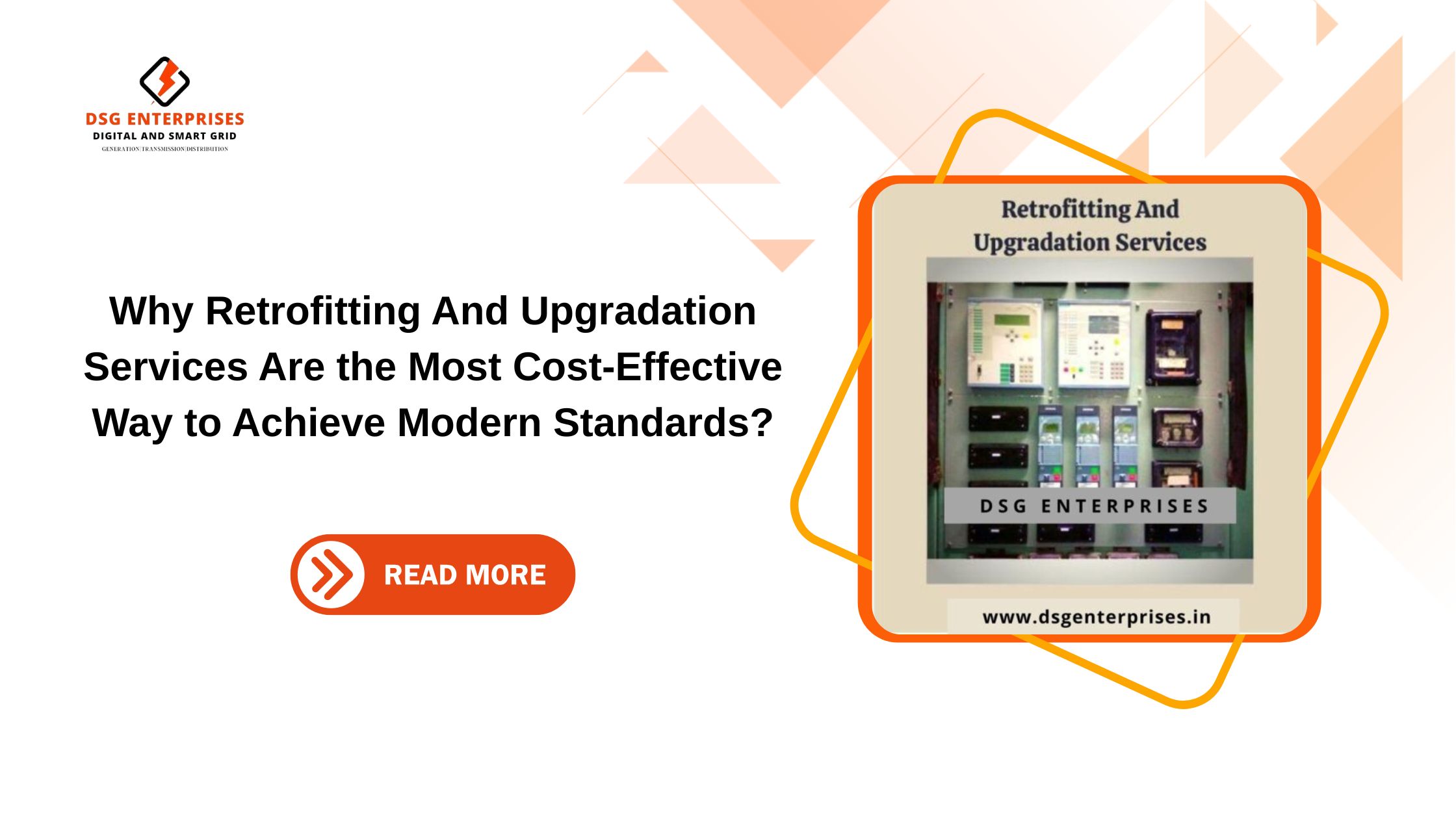
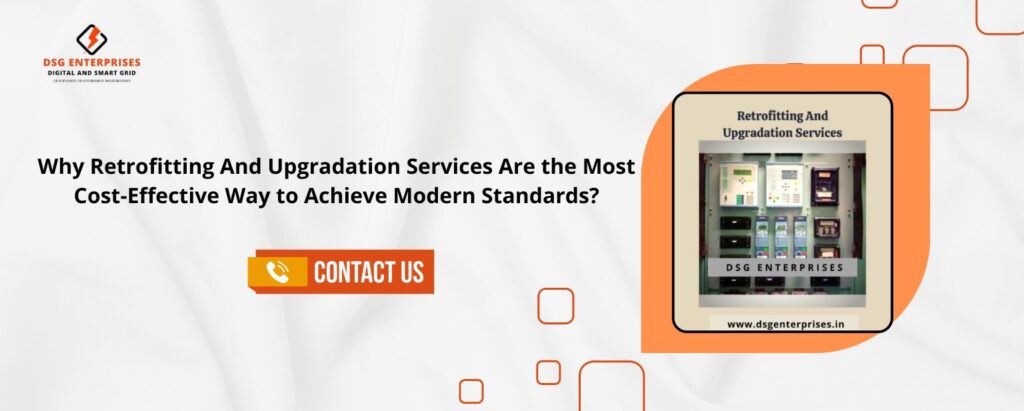
Change is inevitable—especially in the fast-evolving world of electrical infrastructure. Power systems, substations, and protection equipment that once met industry standards may now struggle to keep up with new technological demands, regulatory requirements, and operational expectations. Just as industries advance, so too must the electrical assets that power them. This is where Retrofitting and Upgradation Services come into play. These services offer an intelligent, cost-effective, and scalable path to modernizing legacy systems without tearing down existing infrastructure.
Whether it’s replacing aging electromechanical relays, upgrading SCADA systems, or integrating smart devices into current setups, retrofitting ensures that your systems evolve efficiently and economically.
Understanding Retrofitting and Upgradation Services
Retrofitting involves the replacement or modernization of outdated components within a power system while preserving much of the original infrastructure. This could include replacing old relays, circuit breakers, and meters with their digital counterparts or integrating IoT-based devices.
Upgradation, on the other hand, often deals with enhancing software and control systems like SCADA (Supervisory Control and Data Acquisition), ensuring compatibility with newer hardware or expanding system capabilities to meet growing demands.
Our Key Offerings Include:
- Replacement of Old Electromechanical Relays with Numerical Relays
- Replacement of Outdated Numerical Relays with the latest Models
- Upgradation of Existing SCADA Systems
- Integration of Additional Devices into Existing SCADA
These services bridge the gap between traditional and modern systems, enabling customers to extend asset life and optimize performance at a fraction of the cost of complete replacement.
The High Cost of Doing Nothing
While it might be tempting to delay upgrades, doing so can have serious consequences. Aging infrastructure can lead to:
- Increased system failures and outages
- Higher maintenance costs
- Non-compliance with current safety and performance standards
- Missed opportunities for data-driven decision-making
In contrast, timely retrofitting offers a proactive solution to avoid operational disruptions and ensure business continuity.
Key Features of Retrofitting and Upgradation Services
Let’s explore some of the critical features that make retrofitting a practical choice:
- One-to-One Replacement: Direct relay replacement without altering panel wiring drastically reduces downtime and engineering efforts.
- Advanced Relay Integration: Upgrade to numerical or digital relays equipped with protection, automation, and communication functions for superior performance.
- SCADA Hardware/Software Enhancement: Enhance visibility, control, and analytics by upgrading legacy SCADA systems to support new protocols and interfaces.
- Seamless Device Integration: Add new equipment like meters, sensors, and protection devices without rebuilding the entire system architecture.
- Customization: Solutions are tailored based on site conditions, system needs, and long-term operational goals.
Benefits of Retrofitting And Upgradation Services Over New Installations
Investing in retrofitting and upgradation brings a host of benefits:
- Cost-Effectiveness: The most apparent advantage is cost savings. Retrofitting typically costs 40–60% less than building a new system from scratch.
- Minimized Downtime: Since existing infrastructure is mostly retained, installation and commissioning time is significantly reduced, ensuring business continuity.
- Increased Asset Life: Extending the operational life of current assets helps in maximizing return on initial investments.
- Improved Performance and Safety: New digital relays and SCADA systems enhance system protection, fault detection, and operational safety.
- Regulatory Compliance: Modernization ensures that systems comply with the latest industry standards and cybersecurity norms.
- Environmental Sustainability: Retrofitting reduces the carbon footprint by minimizing electronic waste and conserving raw materials.
- Scalability and Flexibility: Systems upgraded today are easier to scale tomorrow. Modular and open-architecture designs facilitate future integrations.
Applications Across Industry Segments
- Retrofitting and upgradation services are essential across diverse applications. Here’s where they make the biggest impact:
- Power Generation Plants: Ensure protection and automation systems in hydropower, thermal, or renewable plants remain reliable and up to date.
- Industrial Manufacturing: Modernize aged protection systems in factories to reduce downtime, improve safety, and maintain productivity.
- Commercial Infrastructure: Improve power reliability and monitoring in data centers, malls, hospitals, and office complexes.
- Transportation and Railways: Upgrade signaling and power systems in metros and railways for smooth and safe operations.
- Utilities and Substations: Revamp outdated substations for grid stability, remote operation, and smart grid integration.
Real-World Scenario: Retrofitting Success in Action
Let’s consider an example.
A major steel plant had been using electromechanical relays for over two decades. Frequent maintenance issues and delayed fault detection were hurting production. Replacing the entire protection panel would have required a shutdown of several days, not viable for a continuous process plant.
Solution:
Retrofitting services replaced the outdated relays with numerical relays in a one-to-one configuration. The plant’s SCADA system was also upgraded to allow remote monitoring and faster fault analysis.
Result:
- System downtime reduced by 70%
- Maintenance efficiency increased by 45%
- Safety incidents related to protection failure dropped to zero
This case proves how retrofitting not only saves costs but also delivers tangible operational improvements.
Challenges and How We Overcome Them
While retrofitting has immense advantages, it does pose a few challenges such as:
- Compatibility issues between old and new components
- Documentation gaps in legacy systems
- Space constraints in control panels
- Downtime limitations in critical operations
However, with a skilled retrofitting team, these challenges can be effectively addressed. Our engineers conduct a detailed pre-assessment to:
- Map the system architecture
- Identify upgradeable components
- Customize retrofitting kits
- Ensure plug-and-play installation
- Minimize on-site disruption
Conclusion
In a rapidly evolving technological landscape, retrofitting and upgradation services offer the smartest, safest, and most cost-effective path to modernization. Rather than investing massive capital into brand-new systems, businesses can achieve modern standards using what they already have, and do so efficiently. By leveraging existing assets, minimizing downtime, enhancing protection, and ensuring scalability, retrofitting becomes not just an option, but a strategic advantage in today’s power ecosystem.
At Digital & Smart Grid Enterprises, we take pride in being a leading Retrofitting And Upgradation Services Provider in Mumbai. Our commitment is to deliver tailored relay solutions that meet various industry requirements. Whether you have questions or wish to make a purchase, feel free to contact us for Retrofitting and Upgradation Services Cost at +917021624024 or via email at marketing@dsgenterprises.in. With our deep expertise in Field Services, we guarantee consistent support throughout your journey. Discover our extensive product range by clicking here for more information.