Power substations play a critical role in modern electrical grids worldwide. They step down high-voltage power. Then they distribute it to homes and businesses. But substations need proper care to work reliably.
Substation Automation Testing and Commissioning ensures this reliability happens. These services check all systems before they go live. They verify everything works perfectly together. Think of it as a health checkup for your power infrastructure.
What Is Substation Automation Testing and Commissioning?
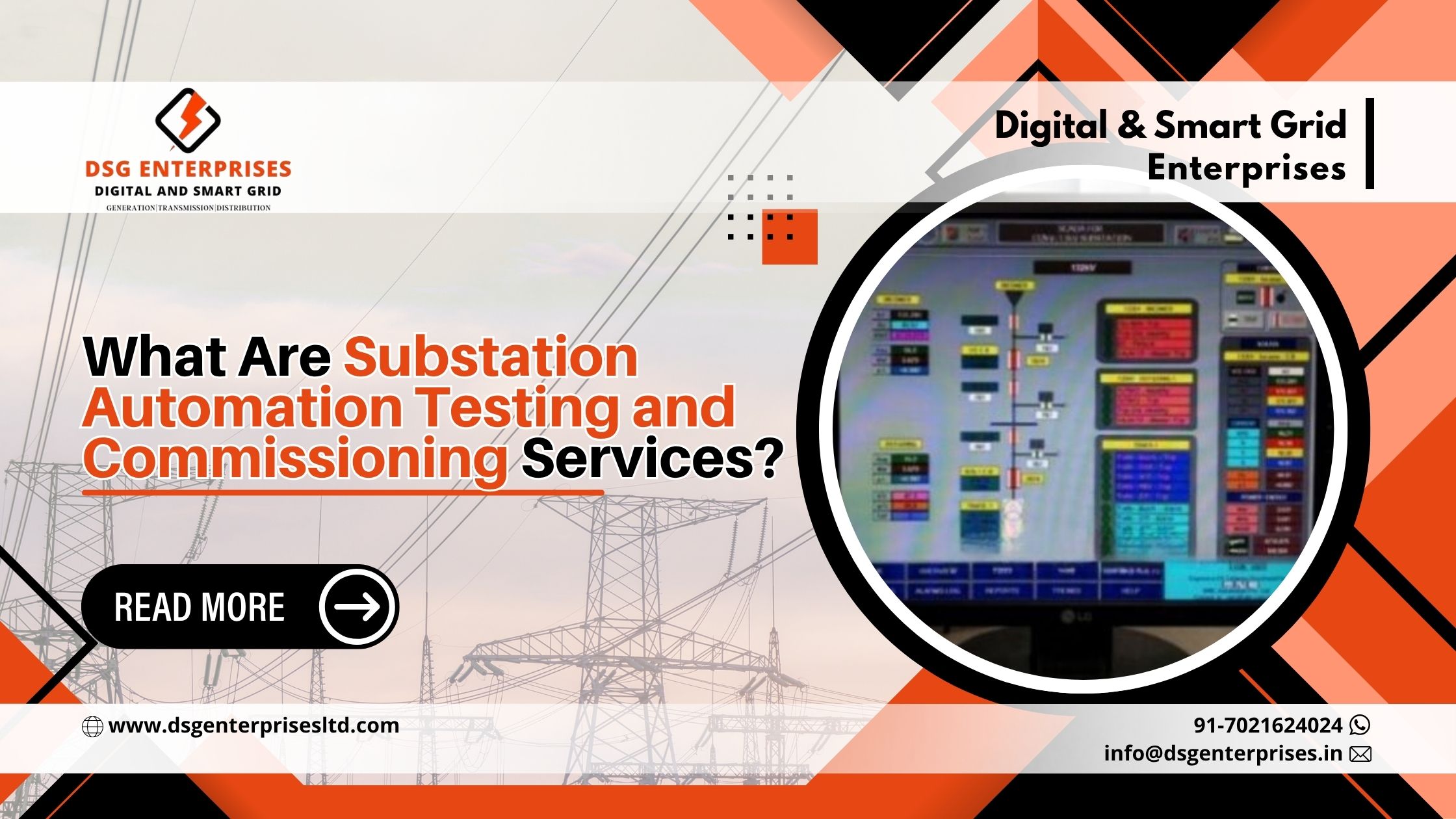
Substation automation involves electronic systems that control power flow. These systems use sensors, controllers, and communication networks. They monitor voltage, current, and other electrical parameters continuously.
Substation Automation Testing checks if all these systems work correctly. Commissioning verifies they integrate properly with existing infrastructure. Together, they ensure reliable power delivery.
Here’s what these services include:
- Testing Phase: Verifies individual component performance: Engineers test each device independently. They run simulations to catch problems early. This happens before connecting systems together.
- Integration Phase: Confirms systems communicate effectively: Components must share data seamlessly. Testing ensures messages arrive on time. Communication delays could cause power outages.
- Performance Validation: Checks real-world operation: Engineers simulate actual operating conditions. They create fault scenarios safely. Results guide final adjustments and improvements.
- Documentation Phase: Creates detailed system records: Complete records help future maintenance teams. Engineers document all settings and parameters. This information proves invaluable during troubleshooting.
Why Does Substation Automation Testing Matter?
Power grids face mounting pressure daily. Electricity demand keeps increasing globally. Aging infrastructure needs replacement and upgrades. Smart grids require sophisticated automation systems.
Here’s what happens without proper testing:
- System failures cause widespread power blackouts: Untested systems fail unexpectedly. Customers lose electricity for hours or days. Businesses experience significant financial losses.
- Safety hazards threaten workers and communities: Malfunctioning systems release dangerous electrical energy. Equipment can overheat and catch fire. Worker injuries become more likely.
- Unexpected costs drain project budgets: Fixing problems later costs ten times more. Emergency repairs happen at premium prices. Downtime expenses add up quickly.
- Regulatory compliance becomes impossible: Power utilities must meet strict standards. Testing proves compliance to regulators. Without documentation, utilities face penalties.
Proper Substation Automation Testing and Commissioning prevents these problems entirely.
Key Components Your Service Provider Tests
A professional Substation Automation Testing Services Provider examines multiple systems. Each component requires specific testing protocols.
Protection Systems
- Relay Testing: Verifies protective device operation. Relays protect equipment during electrical faults. Testing ensures they respond instantly. Delays create dangerous situations.
- Logic Testing: Confirms protection logic works correctly. Relays use complex logic to make decisions. Engineers simulate fault conditions. Results show whether logic performs perfectly.
- Coordination Testing: Ensures devices work together. Multiple relays must coordinate their actions. One relay should operate before others. Poor coordination causes cascading failures.
Communication Networks
- SCADA Testing: Validates supervisory control systems. SCADA systems monitor and control substations. Testing verifies data flows correctly. Response times must meet strict requirements.
- Protocol Testing: Checks data communication standards. Systems use standardized protocols like IEC 60870-5-104. Engineers verify protocol compliance. Different devices must understand each other.
- Network Performance: Measures speed and reliability. Network latency creates operational problems. Engineers test under peak loads. Results determine system viability.
Control Systems
- Analog Signal Testing: Checks measurement accuracy. Sensors measure voltage, current, and frequency. Accuracy directly impacts control decisions. Drift or errors cause problems.
- Digital Signal Testing: Verifies discrete input/output. Digital signals control switches and breakers. Testing ensures correct states. Binary logic must work flawlessly.
- Automation Logic Testing: Validates control sequences. Automations make decisions based on sensor data. Engineers test all possible scenarios. Logic must handle edge cases.
The Commissioning Process Explained
Commissioning happens in structured phases. Each phase builds on previous success. Here’s how the process works:
1: Pre-Commissioning Activities
- Design Review: Engineers examine system designs. Detailed designs guide all installation work. Reviewers look for design flaws. Corrections happen before construction starts.
- Factory Acceptance Testing: Manufacturers verify components. Components get tested at manufacturing facilities. Defective items stay out of projects. Only qualified equipment arrives on-site.
- Installation Verification: Teams confirm proper installation. Workers follow exact specifications during installation. Inspectors verify compliance throughout. Quality control happens continuously.
2: System Testing
- Function Testing: Individual systems operate independently. Each system receives operational testing. Engineers verify functions match design. Performance meets specification requirements.
- Integration Testing: Multiple systems work together. Systems must communicate and coordinate. Engineers simulate realistic scenarios. Results show whether integration works smoothly.
- Performance Testing: Systems handle heavy loads. Engineers run systems at maximum capacity. Thermal cameras monitor equipment temperature. Stress testing reveals hidden problems.
3: Operational Readiness
- Staff Training: Operators learn system operation. Operators need hands-on training. Engineers teach troubleshooting techniques. Competent operators reduce outage risks.
- Documentation Handover: Records transfer to client. Complete documentation helps future technicians. Engineers explain all system parameters. Clients receive knowledge transfer.
- Cutover Support: Engineers assist during startup. Engineers monitor the substation during startup. They resolve unexpected issues immediately. Support continues until systems stabilize.
Benefits of Professional Testing Services
Investing in proper Substation Automation Testing yields significant returns:
Reliability Improvements
- Reduces unplanned downtime by preventing failures before they happen
- Extends equipment lifespan through proper validation and care
- Improves system stability across your entire electrical network
Financial Advantages
- Prevents costly emergency repairs through proactive testing
- Reduces operational expenses from proper system tuning
- Protects revenue streams by maintaining continuous power delivery
Safety Enhancement
- Protects workers through comprehensive safety testing
- Prevents equipment damage from undetected faults
- Reduces accident risks in substations and surrounding areas
Regulatory Compliance
- Meets utility standards set by electrical authorities
- Passes audits from regulatory agencies with documentation
- Maintains operating licenses through proper commissioning records
Choosing the Right Substation Automation Testing Services Provider
Not all providers offer equal expertise. Here’s what to look for:
Experience and Credentials
- Years in business: Established companies have deep knowledge
- Certified engineers: Credentials from IEEE or industry bodies matter
- Successful project track record: References prove their capabilities
Technical Capabilities
- Modern testing equipment: Current tools ensure accurate results
- Multiple testing specializations: Diverse expertise handles complex systems
- Onsite and remote capabilities: Flexibility serves your needs
Customer Support
- Responsive communication: Quick replies prevent project delays
- Comprehensive documentation: Detailed reports guide your decisions
- Long-term support: Ongoing assistance during operations
Industry Knowledge
- Understands your specific challenges: Substation types vary significantly
- Knows latest technologies: Continuous learning keeps them current
- Follows best practices: Standards ensure quality results
The Future of Substation Automation Testing
Technology continues advancing rapidly. Substations face new demands constantly.
- AI-Powered Diagnostics: Machine learning identifies patterns that human testers might miss. Predictive analytics prevent failures before they occur.
- IoT Integration: Connected sensors provide real-time data throughout testing and operations. Continuous monitoring replaces periodic checks.
- Cloud-Based Monitoring: Remote dashboards track performance from anywhere globally. Real-time alerts notify teams instantly.
- Cybersecurity Testing: Protection against digital threats becomes increasingly important. Testers verify security measures work properly.
Smart grids demand smarter testing approaches. Modern Substation Automation Testing and Commissioning services evolve constantly. They help utilities stay ahead of challenges.
Conclusion
Substation Automation Testing and Commissioning Services represent essential investments. They ensure reliable power delivery to millions of people. Proper testing prevents emergencies and protects communities.
Your electrical infrastructure deserves professional attention. Choosing an experienced Substation Automation Testing Services Provider makes all the difference. These experts identify problems before they become catastrophic. For pricing or inquiries, feel free to contact us at +91 7021624024 or email info@dsgenterprises.in. Our experienced technical team is here to guide you at every stage, from choosing the right product to ensuring reliable after-sales support. Click here to explore our complete range of products and learn more