
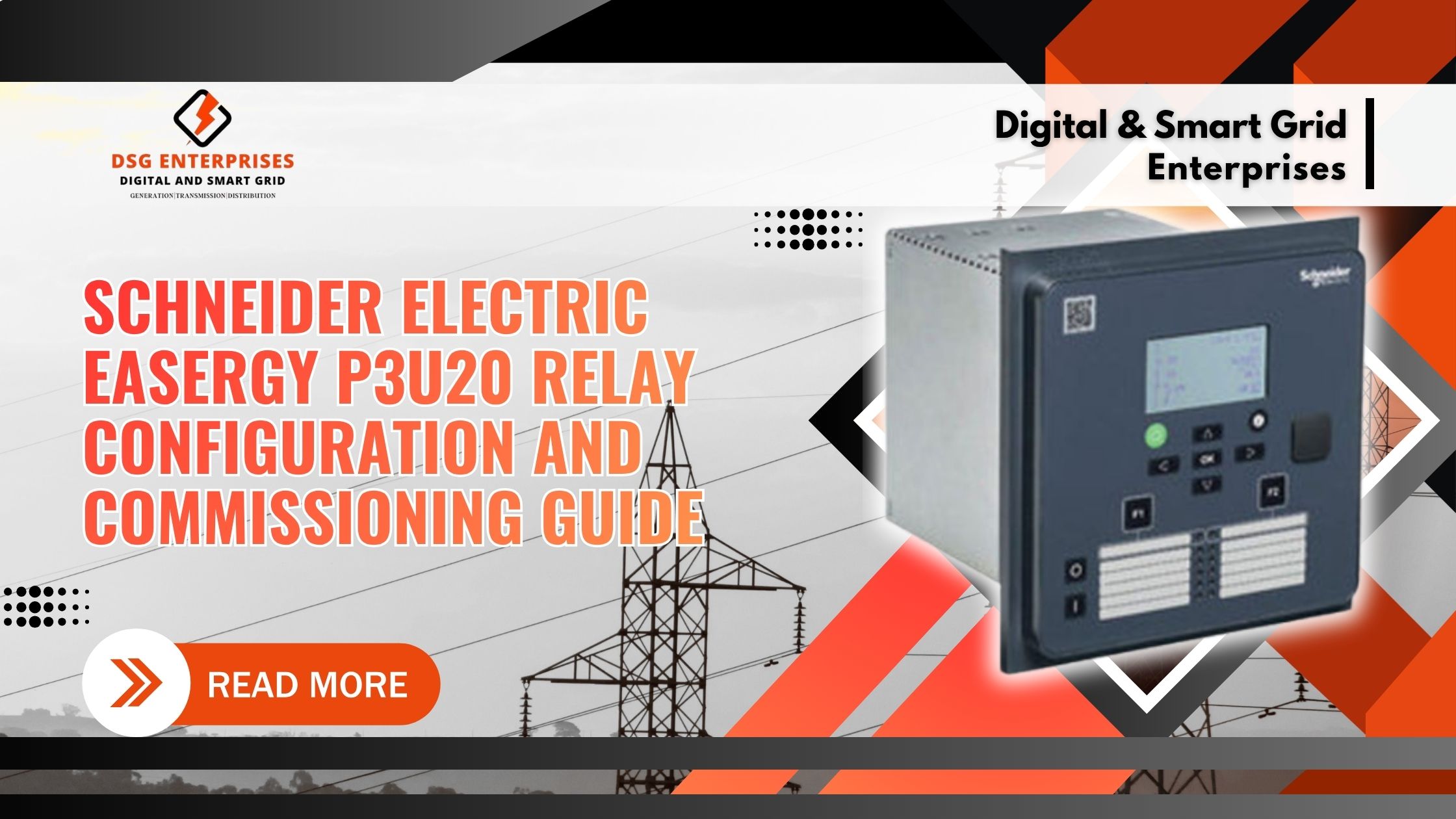
Power system protection demands precision, reliability, and speed. Every electrical installation depends on sophisticated protection devices that work seamlessly to safeguard equipment and personnel. Today, I want to talk about a game-changing solution that thousands of industries trust worldwide: the Schneider Easergy P3U20 Relay.
If you operate industrial facilities, substations, or power distribution networks in India or globally, understanding how to properly configure and commission your protection relay becomes crucial. The Schneider Easergy P3U20 Protection Relay offers intelligent, multifunctional protection that handles multiple fault scenarios automatically.
But here’s the thing: simply installing this relay isn’t enough. You need comprehensive knowledge about configuration, commissioning, and optimization. This guide walks you through everything you need to make your system work flawlessly.
Understanding the Schneider Easergy P3U20 Relay: The Basics
Before diving into technical details, let me explain what makes this device special.
The Schneider Easergy P3U20 Relay represents modern power protection technology. Unlike older mechanical relays, this intelligent device combines hardware and software to provide:
- Multi-functional protection capabilities: Handles overcurrent, earth fault, and distance protection in one unit
- Digital communication features: Connects seamlessly with SCADA systems and supervisory software
- Real-time data monitoring: Tracks system parameters continuously for better decision-making
- Compact design: Saves panel space while delivering comprehensive protection
Think of it as the brain of your protection system. It monitors voltage and current continuously, analyzes fault conditions, and triggers appropriate responses within milliseconds.
The Configuration Process: Step-by-Step Guide
Step 1: Understanding Basic Settings
When you first approach the Schneider Easergy P3U20 Protection Relay configuration, start with these fundamental parameters:
Voltage Settings:
- Primary voltage: Set this to match your actual system voltage (typically 110V, 220V, or 440V)
- Secondary voltage: Always check with your voltage transformer specifications
- Connection type: Configure whether you’re using star or delta connections
Current Settings:
- Primary current rating: Match this to your current transformer specifications
- Secondary current: Typically 1A or 5A, depending on your CT rating
- Current direction: Define whether you’re measuring incoming or outgoing current
Step 2: Protection Parameters Configuration
This section involves setting thresholds that trigger protection actions:
Overcurrent Protection Settings:
- Instantaneous setting: Choose threshold where immediate tripping occurs (typically 1.5-3 times rated current)
- Time-delayed setting: Allows temporary overloads while protecting against sustained faults
- Tripping curve: Select appropriate curve type (inverse, very inverse, or extremely inverse)
Earth Fault Protection:
- Sensitivity level: Sets how quickly the relay detects ground faults
- Pickup current: Minimum current required to activate protection
- Time delay: Duration before tripping occurs, allowing transients to pass
Step 3: Communication Setup
Modern industrial facilities require real-time data exchange:
Network Configuration:
- IP address assignment: Ensure the relay receives a unique IP address within your network
- Communication protocol: Select Modbus TCP, DNP3, or IEC 60870-5-104 based on your system
- Baud rate settings: Match speed parameters with your communication infrastructure
- Security settings: Enable password protection and encryption for critical systems
Commissioning Your Schneider Easergy P3U20 Relay: A Practical Approach
Commissioning means testing the relay thoroughly before it handles actual protection duties. This is where theory meets practice.
Pre-Commissioning Verification
Before energizing anything, verify these aspects:
Hardware Checks:
- Physical connections: Examine all wiring for proper termination
- CT secondary circuits: Ensure burden on current transformers stays within limits
- VT connections: Verify voltage transformer secondary wiring isolation
- Grounding: Confirm all protective grounds are securely connected
Software Verification:
- Parameter review: Double-check all configured settings match system requirements
- Firmware version: Update to the latest stable firmware version available
- Configuration backup: Save your settings to external storage for future reference
- Documentation: Prepare all relevant one-line diagrams and relay settings documents
Testing Protection Functions
Now comes the hands-on testing phase:
Instantaneous Overcurrent Test:
- Inject 1.1 times the instantaneous setting using a current source
- Verify trip output activates immediately (within 50-100 milliseconds)
- Record exact trip times for commissioning reports
- Repeat the test a minimum of three times to ensure consistency
Time-Delayed Overcurrent Test:
- Inject current at 1.2 times the delayed setting
- Measure actual operating time against configured time
- Verify time accuracy stays within ±5% of settings
- Document results in the commissioning logbook
Earth Fault Test:
- Inject earth fault current at the pickup level
- Confirm the earth fault function operates independently
- Test selectivity with upstream and downstream devices
- Ensure proper coordination with other protection layers
Communication Test:
- Send dummy data through communication networks
- Verify relay receives and transmits information correctly
- Test response times under normal and degraded conditions
- Check that protection operates correctly without network communication
Finding the Right Schneider P3U20 Relay Supplier
Location matters when sourcing quality protection equipment. Whether you’re in Maharashtra, Delhi, Karnataka, or other regions across India, choosing the right supplier makes a difference.
What to Look for in a Schneider P3U20 Relay Supplier
Reputation and Experience:
- Years of operation in the market: Established suppliers have proven track records
- Certifications from recognized authorities: Look for ISO and authorized distributor status
- References from major industrial clients: Check testimonials from similar operations
- Technical support availability: Ensure 24/7 support when you need it
Product Quality Assurance:
- Genuine Schneider Electric products: Always verify authenticity with proper documentation
- Warranty coverage: A comprehensive warranty protects your investment against defects
- Compliance with Indian Standards: Products meet IS 2026 and other relevant codes
- Regular product testing: Quality checks ensure every unit works perfectly
Technical Support:
- Trained professionals: Team members understand configuration requirements completely
- Quick response times: Technical queries get answered within hours, not days
- On-site commissioning assistance: Professional technicians handle complex installations
- Access to latest software versions: Keep your relay updated with improvements
Pricing and Delivery:
- Transparent pricing: No hidden charges will surprise you later
- Scheduled delivery timelines: Tracking systems show exactly when products arrive
- Flexible payment options: Bulk orders receive special terms and financing
- Local warehouse availability: Quick shipping from nearby distribution centers
Understanding Schneider P3U20 Relay Price: What Influences Cost
Interested in Schneider P3U20 Relay Price? The cost varies based on several factors that directly impact your investment:
Key Price Determinants:
- Configuration complexity: Basic models cost less than fully customized versions with advanced features
- Quantity ordered: Bulk orders receive significant discounts (10-30% reduction possible for large volumes)
- Optional features: Communication modules and expanded memory increase the price substantially
- Warranty period: Extended warranties add 10-15% to the base cost but provide peace of mind
- Technical support package: Commissioning assistance and training raise the total investment
- Market location: Prices in metropolitan areas (Mumbai, Bangalore) may differ from those in smaller cities
- Current market rates: Copper and semiconductor prices influence manufacturing costs regularly
- Supplier markup: Direct manufacturer prices differ from distributor pricing by 15-25%
Common Configuration Mistakes to Avoid
Even experienced technicians make errors. Learning from common pitfalls saves time and prevents dangerous situations:
1: Incorrect CT Connection
- Problem: Connecting current transformers with the wrong polarity causes incorrect measurements
- Solution: Always follow wiring diagrams carefully; use color-coded terminals; test with a reference standard before commissioning
2: Setting Protection Too Sensitive
- Problem: Nuisance tripping from transients and temporary overloads disrupts operations constantly
- Solution: Coordinate settings with upstream and downstream devices carefully; use inverse time curves for better selectivity
3: Skipping Communication Tests
- Problem: Relay appears to work locally but fails during remote monitoring and SCADA integration
- Solution: Test all communication paths thoroughly; simulate network delays realistically; verify failover mechanisms work
4: Inadequate Documentation
- Problem: Losing configuration settings when replacing the relay; confusion during troubleshooting creates delays
- Solution: Maintain detailed commissioning reports always; store settings backups in multiple locations; create system documentation
5: Ignoring Firmware Updates
- Problem: Missing critical security patches and performance improvements affect long-term reliability
- Solution: Update firmware regularly according to schedule; test in staging environment first; maintain version control records
Best Practices for Long-Term Relay Performance
Commissioning isn’t the end, it’s the beginning of a successful protection system. Proper maintenance ensures your relay operates reliably for years without interruption.
Regular Maintenance Schedule:
- Monthly checks: Verify communication status; review event logs; check for fault recordings and alert messages
- Quarterly maintenance: Inspect physical connections; test communication paths; review performance data and trends
- Annual testing: Conduct full functional tests; verify time synchronization across the network; update documentation
- Biennial calibration: Send for factory calibration professionally; verify accuracy against reference standards
Documentation Practices:
- Keep all commissioning reports organized and accessible to authorized personnel.
- Maintain firmware and software version history for audit trails
- Document all parameter changes with clear reasons and authorization
- Store backup configurations in secure locations with redundancy
- Create technical manuals specific to your unique installation
Conclusion
The Schneider Easergy P3U20 Relay represents intelligent protection for modern power systems everywhere. Proper configuration and commissioning determine whether this investment delivers expected protection benefits successfully.
Whether you’re setting up a new industrial facility in Maharashtra, upgrading a substation in Karnataka, or managing a distributed power network across India, understanding relay configuration becomes essential knowledge. The process requires patience, technical knowledge, and proper documentation that you maintain carefully.
We, Digital and Smart Grid Enterprises, are the leading Schneider Easergy Relays Suppliers, traders, distributors, and exporters in Mumbai. Schneider Easergy Relays is a medium-voltage safety relay that includes protection for feeders, motors, transformers, and generators. The new Easergy relay has been created to satisfy your needs, including overcurrent and arc flash protection, the latest connections, and maximum safety. It is based on more than 100 years of experience in medium-voltage protection relays. For pricing or inquiries, feel free to contact us at +91 7021624024 or email info@dsgenterprises.in. Our experienced technical team is here to guide you at every stage, from choosing the right product to ensuring reliable after-sales support. Click here to explore our complete range of products and learn more.